
When you need a new septic system, it usually starts with one big question: What actually happens during septic system installation, and how do you know you’re getting the right setup for your home? This guide breaks down the full process so you know what to expect—from soil testing to final inspection.
What Goes Into Planning a Septic System Installation?
Installing a septic system isn’t a one-size-fits-all project. Good planning protects your property, your groundwater, and your long-term costs.
Why Is a Site Evaluation Important?
A site evaluation looks at your soil type, drainage, water table level, and property layout. These factors determine which system will work best and where it can be placed safely.
What Types of Septic Systems Are Available?
Most homes use one of the following:
- Conventional gravity systems — simple, cost-effective, and ideal for good soil.
- Pressure distribution systems — used when the soil needs more controlled dispersal.
- Mound systems — needed when the soil is shallow or drainage is limited.
- Advanced treatment systems — ideal for challenging sites or environmental limits.
Your installer will explain which system fits your home based on local regulations and site conditions.
How Does the Septic System Installation Process Work?
Step 1: Soil Testing and Permits
Local health departments require soil testing before permits can be issued. This ensures your septic system can operate safely without contaminating groundwater.
Step 2: System Design
The installer designs a system that fits your property layout, the home’s size, and the results from the soil test.
Step 3: Excavation and Tank Placement
The crew excavates the area, places the septic tank, and connects it to your home’s plumbing line. Tanks may be concrete, fiberglass, or polyethylene.
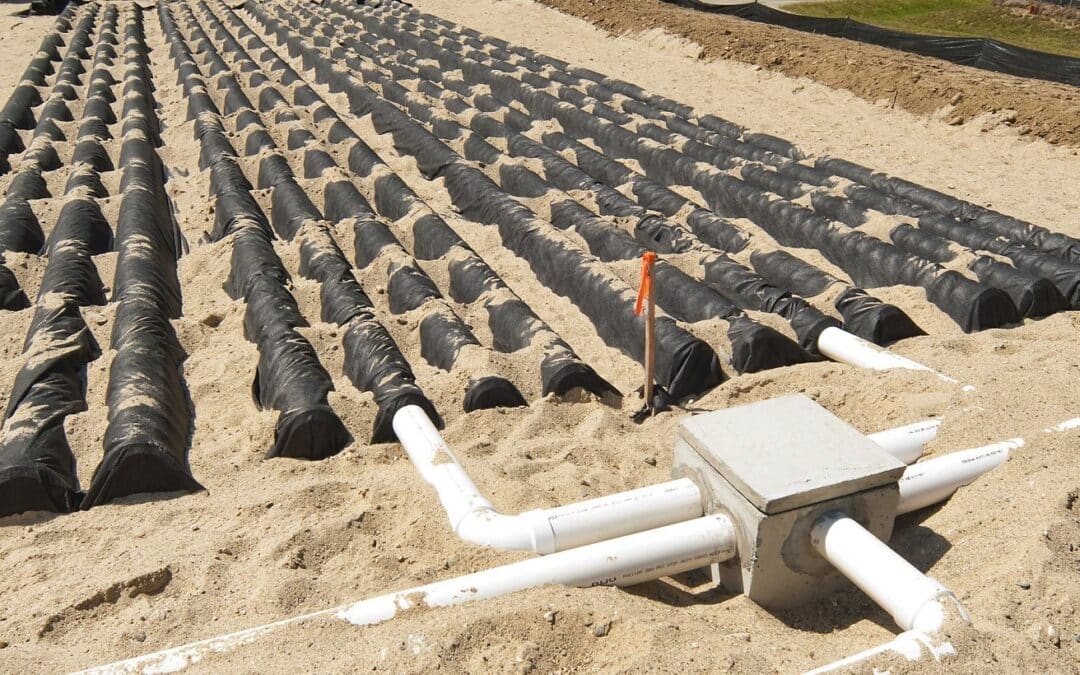
Step 4: Installing the Drainfield
The drainfield is where treated wastewater flows into the soil. Proper installation prevents backups, pooling, and costly repairs later.
Step 5: Inspection and Backfill
A final inspection ensures everything meets code. Once approved, the team covers the system and levels the ground.
How Do You Maintain a New Septic System After Installation?
Routine maintenance protects your investment and helps avoid emergencies.
What Are the Basic Care Steps?
- Pump the tank every 3–5 years.
- Avoid flushing wipes, grease, or chemicals.
- Keep heavy vehicles and landscaping off the drainfield.
- Fix leaks fast to prevent unnecessary strain on the system.
How Long Does a New System Last?
With proper care, most septic systems last 20–40 years. Soil quality, household usage, and material quality all play a role.
What Are the Costs Involved in Septic System Installation?
Prices vary depending on your property and the type of system required.
What Factors Affect the Total Cost?
- Soil conditions
- System type
- Tank size
- Permit fees
- Excavation complexity
Getting a local, on-site estimate is the best way to understand your specific cost.
FAQs About Septic System Installation
How long does septic system installation take?
Most projects take 1–3 weeks from excavation to final inspection, depending on weather and site conditions.
What size septic tank do I need?
Homes with more bedrooms need larger tanks. A typical home uses a 1,000–1,500-gallon tank.
Do I need to replace the whole system if only the drainfield fails?
Not always. Your installer can replace or rehabilitate the drainfield without replacing the tank.
Can I plant anything over the drainfield?
Grass is fine. Avoid trees, shrubs, or vegetable gardens because roots may damage the system.
Does rainfall affect my septic system?
Heavy rain can oversaturate the soil, causing slow drainage or backups. Good system design helps prevent these issues.
Need Septic System Installation in North Alabama?
When you need reliable septic service you can trust, SEP-TEK Services is here to help. Our team provides honest guidance, expert workmanship, and solutions built to last. If you have questions or want to schedule service, contact us today to get started.
Professional Septic System Installation in North Alabama
Posted on January 28, 2026 | Published by Ignite Local | Related Local Business
Recent Comments